Technical Projects


This project documents the complete process of replacing a device's restrictive native ChromeOS with a full Linux Mint installation. It details a structured, four-phase deployment covering hardware compatibility verification, developer restrictions bypass (including hardware write-protection disabling), firmware flashing via MrChromebox UEFI, and final operating system installation and optimization. https://app.notion.com/p/ChromebookOS-Linux-Mint-Conversion-2f6bb6eda7278011a473f80f57c84ba2?source=copy_link
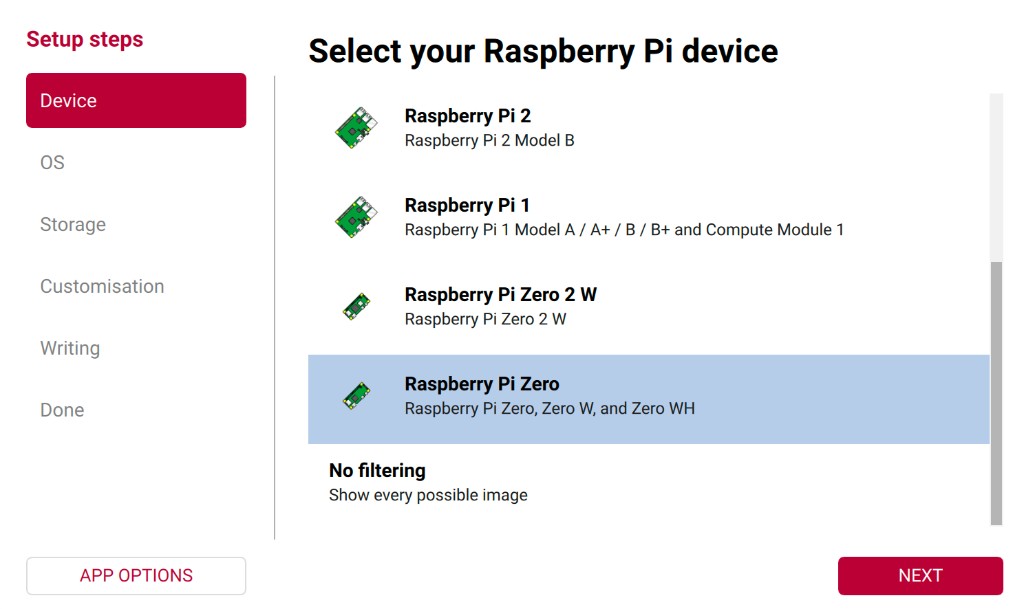
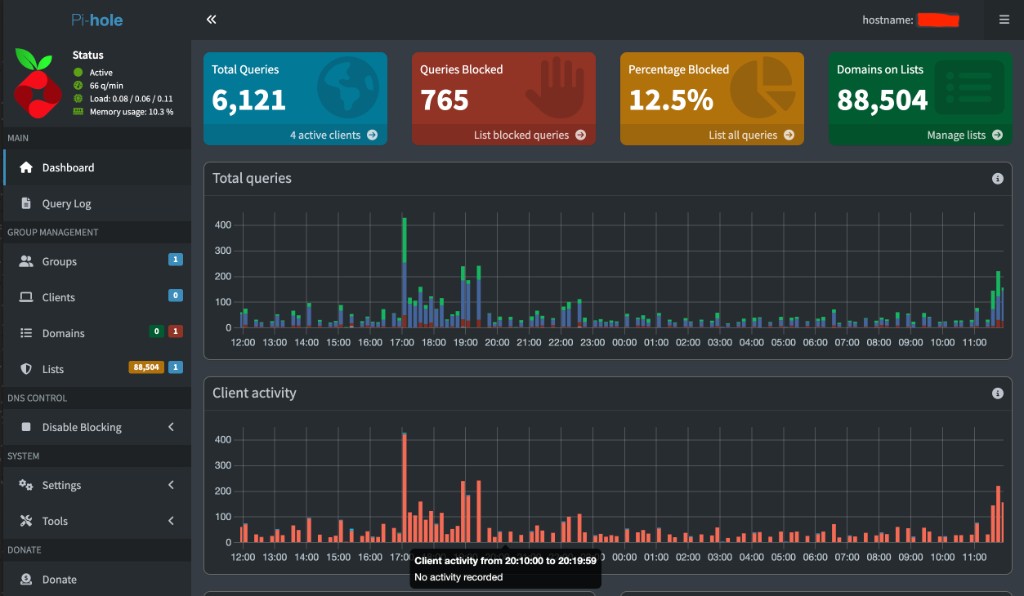
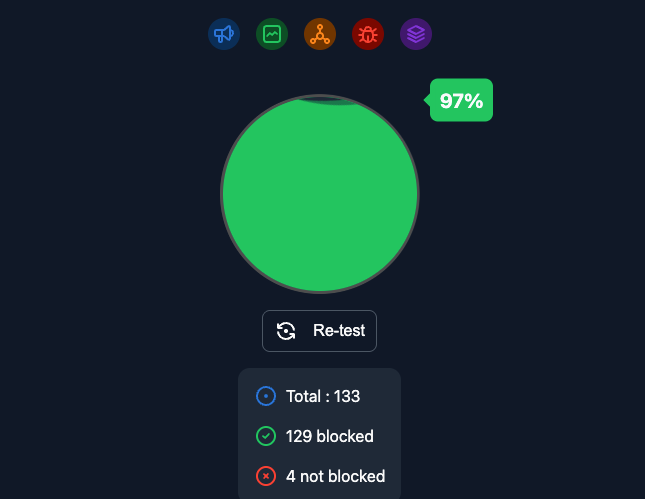
I implemented a network-wide DNS-based ad blocker using Pi-hole on a Raspberry Pi Zero W. This project enhances my home network privacy and security by preventing tracking and malicious domains from loading at the DNS level, while simultaneously improving network performance by reducing bandwidth consumption from unwanted content. I figured it could also help my family when browsing ad-filled websites as well as some streaming services. https://app.notion.com/p/Network-Wide-Ad-Blocking-DNS-Sinkholing-with-Pi-hole-2d0bb6eda7278046b1fbde195e1c54fa?source=copy_link


Deployed and configured homelab environment to simulate and practice services within an enterprise network, focusing on strict traffic control, remote VPN access, security monitoring and Virtual containerization.
- Network Segmentation: Configured a MikroTik router and managed Netgear switch to establish distinct VLANs, enforcing the principle of least privilege.
- Remote VPN Access: Implemented Tailscale to provide secure remote access to the homelab environment while on public networks.
- Infrastructure Provisioning: Deployed a fleet of virtual mini-servers via ProxMox managing, practice directory and penetration testing services, and a honeypot webapp logically seperated with DMZ firewall rules.
- SIEM Integration: Integrated a centralized SIEM to aggregate logs from endpoints, containers, and servers for real-time traffic analysis and security auditing.
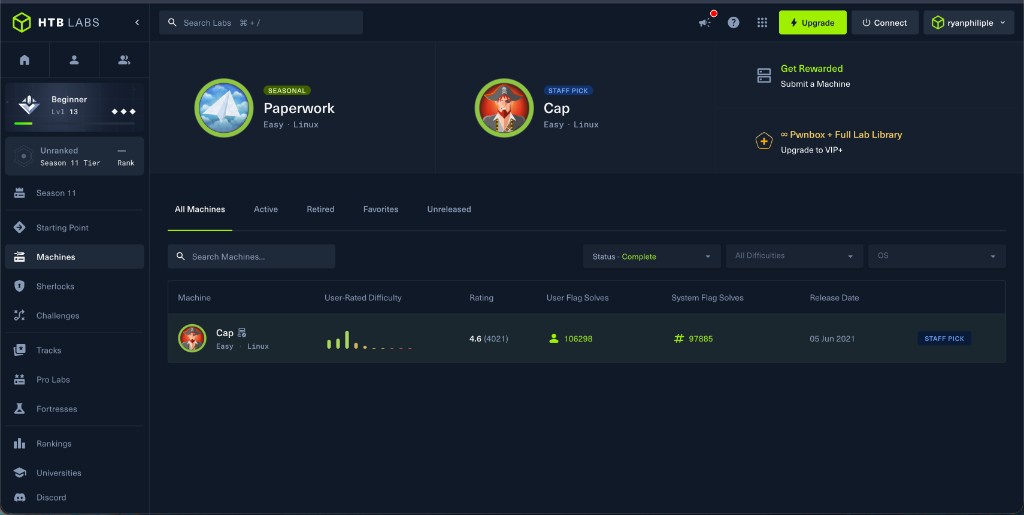
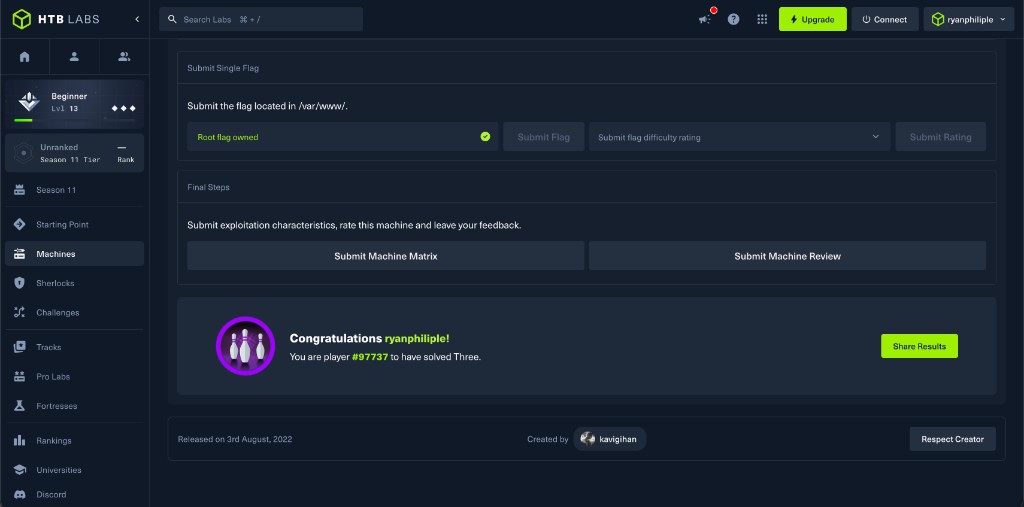
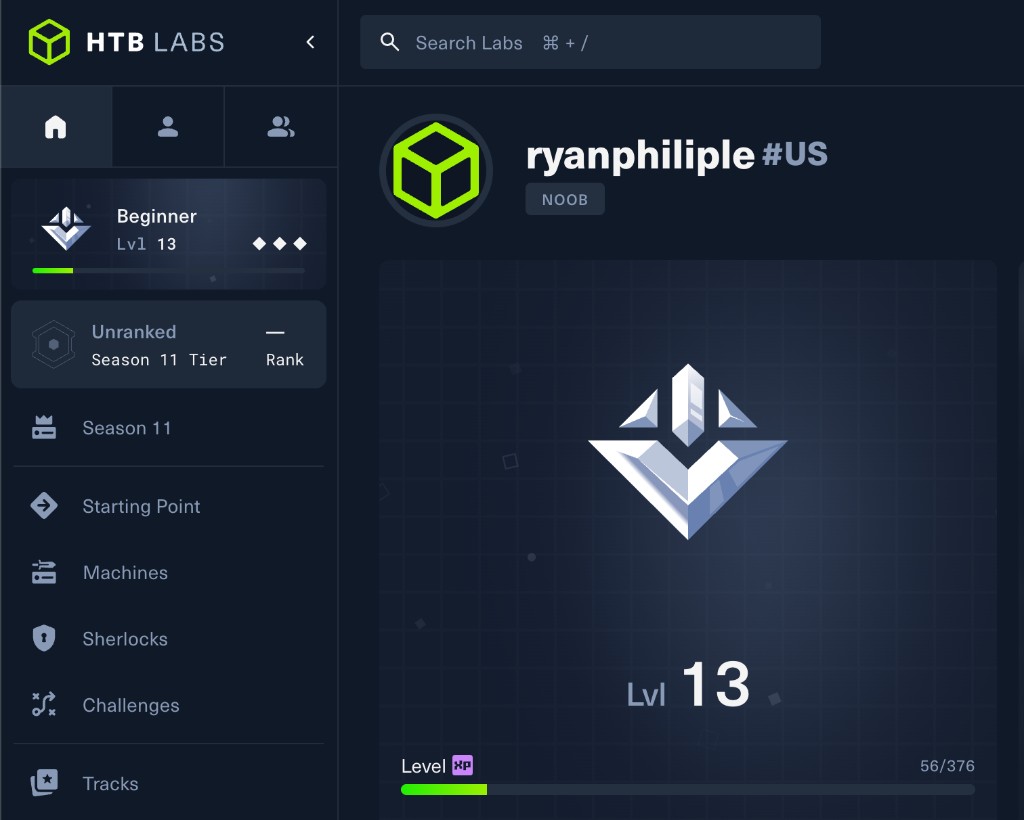
Engaged in continuous offensive security training, identifying, exploiting, and documenting critical vulnerabilities across simulated corporate networks and standalone target machines.
- Reconnaissance: Performed active and passive footprinting using utilities like nmap and Gobuster to map attack surfaces, open ports, and running services.
- Vulnerability Analysis: Checked network footprints against exploit databases to identify unpatched software, misconfigurations, and weak credentials.
- Initial Access: Executed targeted exploits (such as RCE, SQLi, and broken access controls) to bypass security controls and gain footholds on target systems.
- Privilege Escalation: Conducted internal system enumeration to leverage local misconfigurations and SUID permissions, successfully elevating privileges to root/administrator.